Zirconia, E-max and Porcelain Crowns: How They Differ
How tooth position, chewing forces and aesthetic expectations are weighed together when choosing a crown material.
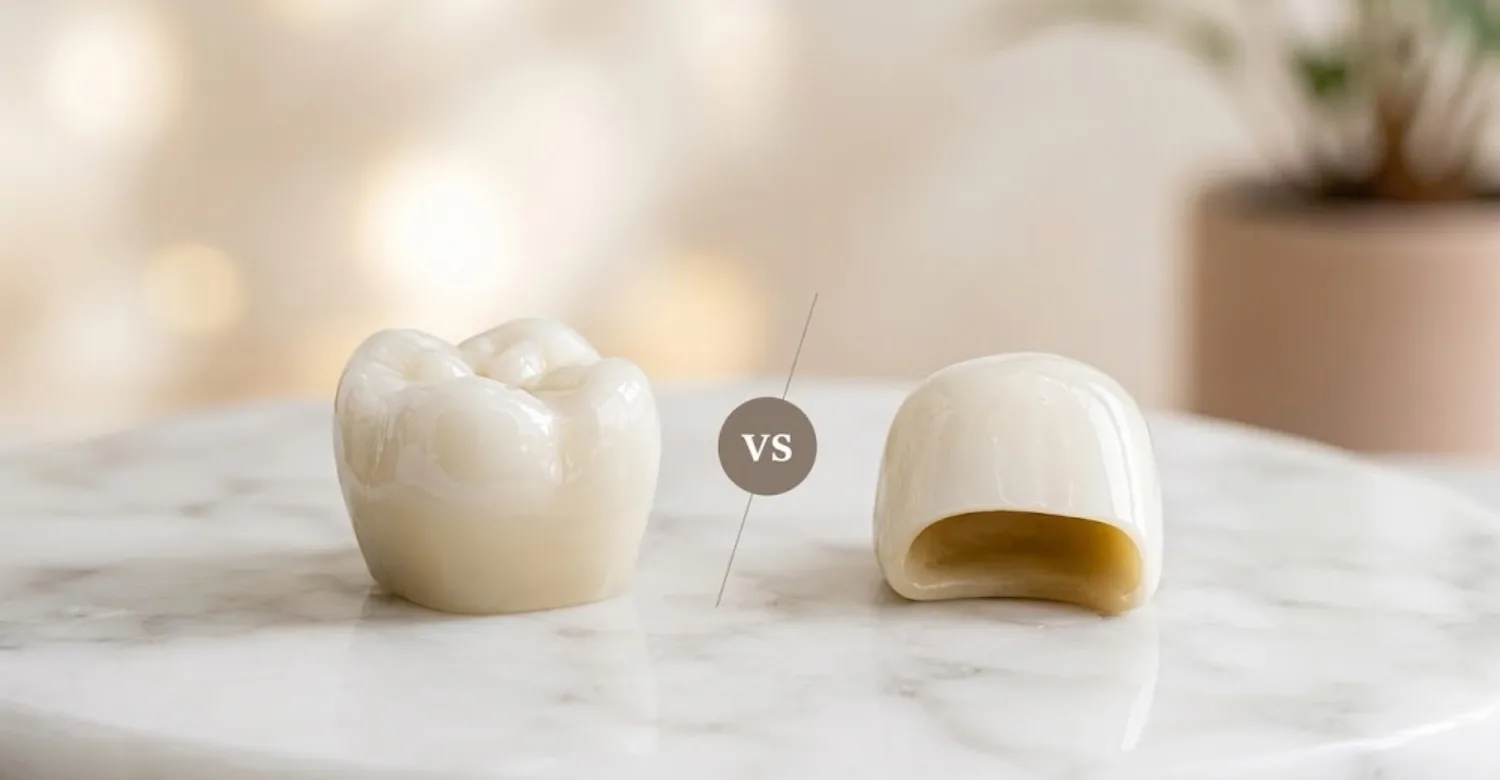
Comparing crown options is one of the most common questions patients raise. "Which is better?" has no single answer, because the choice depends less on the material itself than on the situation of the tooth.
What the decision rests on
- the tooth's position — front or back of the mouth,
- how much tooth structure has been lost,
- the chewing forces acting on that area,
- the colour and surface of neighbouring teeth,
- gum health and gum level.
A choice made without weighing these together may look acceptable aesthetically but still be unsuitable functionally.
Zirconia
A metal-free, ceramic-based framework material. Its durability makes it a consideration for restorations at the back of the mouth, where chewing forces are higher, and for bridgework.
E-max
A glass ceramic. Its light transmission can be decisive for matching neighbouring natural teeth, particularly in the smile line, where the tooth structure allows.
Porcelain crowns
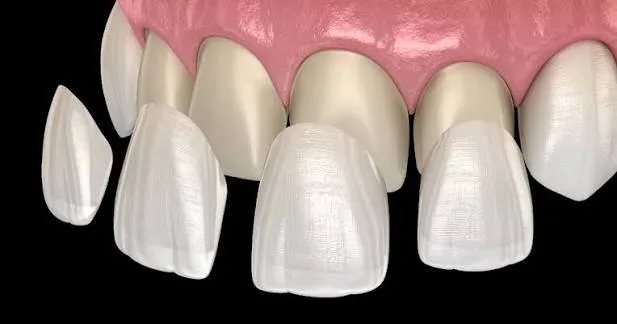
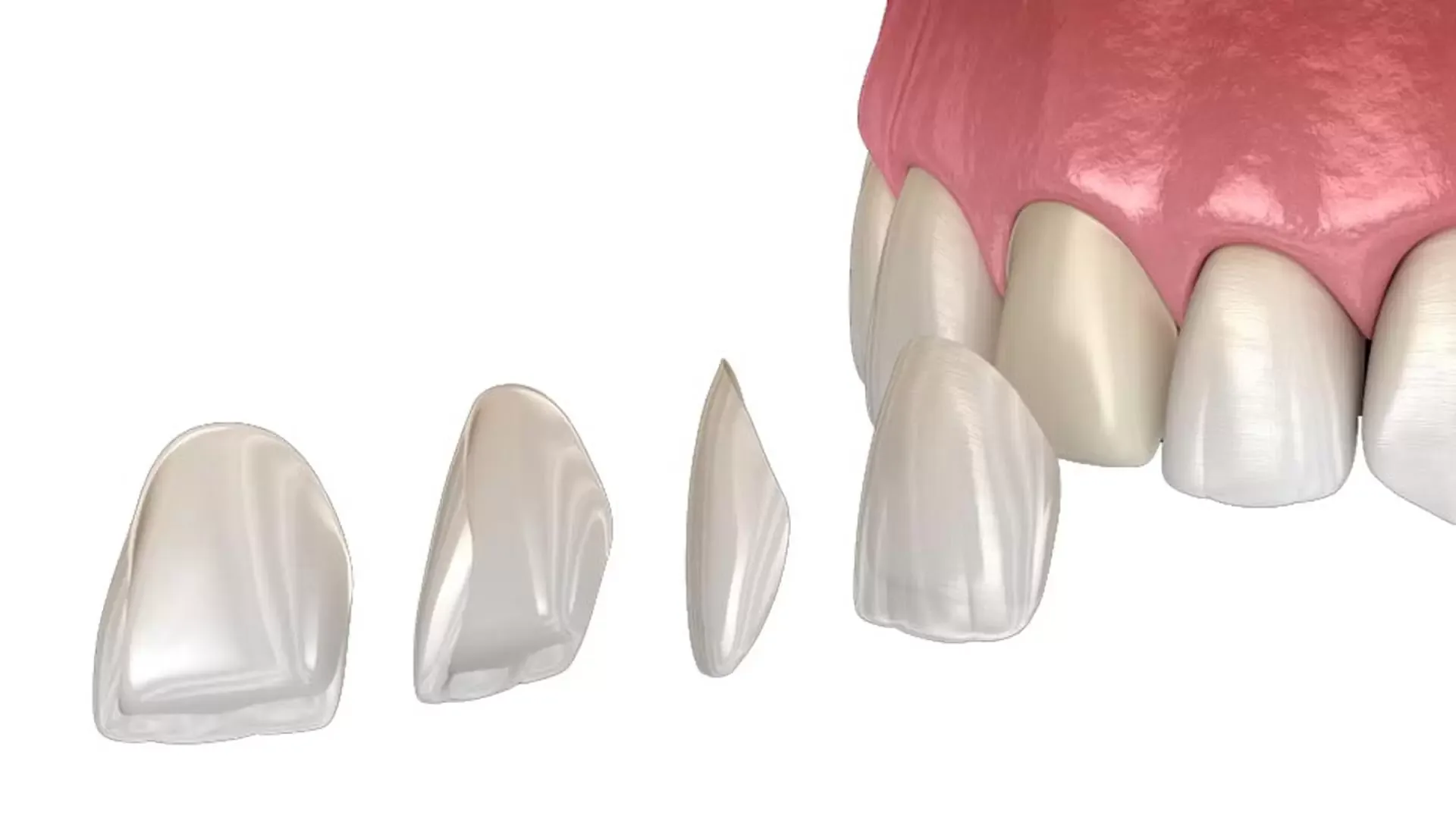
Cover the visible surface of the tooth with a restoration. Considered where there is loss of structure, discolouration, or expectations about form.
Less invasive options
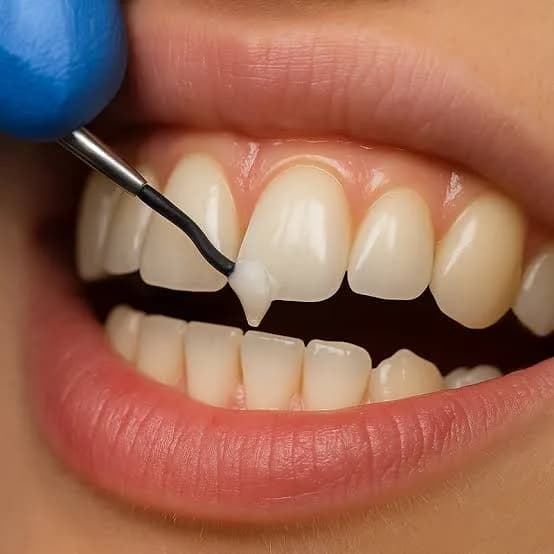
Where the expectation is limited — a small chip, a narrow space, a minor adjustment to form — approaches such as composite bonding, which remove less tooth structure, may be assessed first.
The general principle: if the same result can be reached with less intervention, that route is preferred.
How long do they last?
There is no definite answer. Longevity depends on oral care, chewing habits, factors such as clenching, and the condition of the tooth beneath. No specific period can be promised in advance.
Assessment in Kyrenia
The option suitable for you can only be determined after a clinical examination. You can request an aesthetic assessment at Prime Dent in Alsancak.
This content is for general information. A diagnosis and treatment plan appropriate to you can only be determined following a clinical assessment by a dentist.