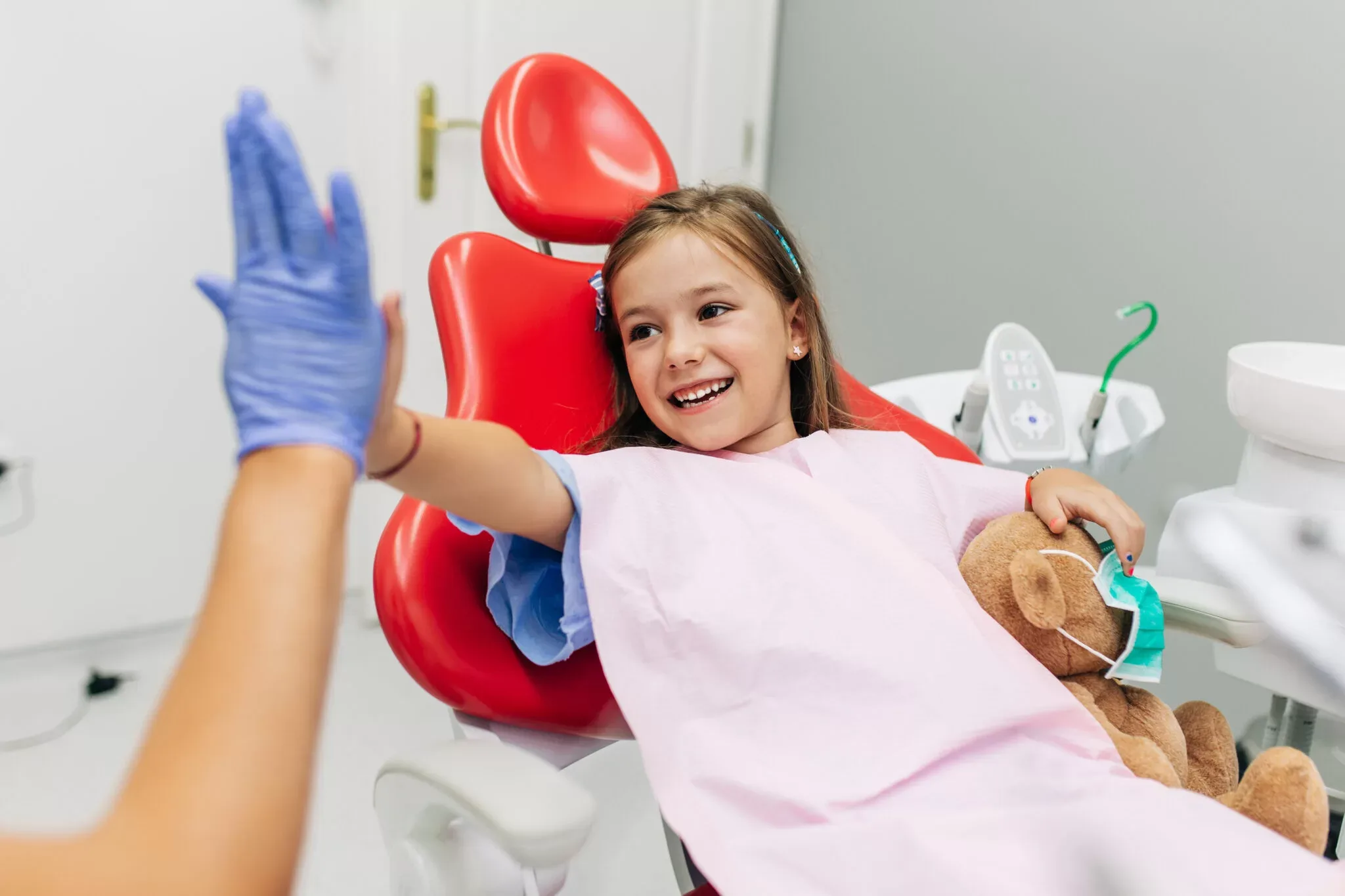
Your Child's First Dental Visit: How to Prepare
What a first visit is for, the parent's role, and approaches that help a child build a positive relationship with dental care.
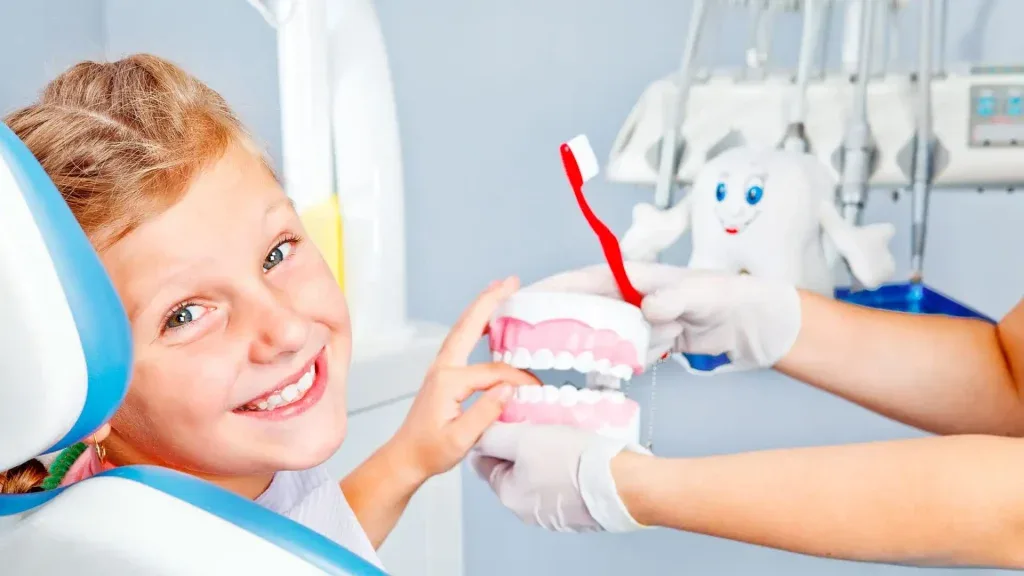
A child's first encounter with a dentist can shape their oral health habits for years. For that reason, a first visit is usually not about carrying out treatment — it is about familiarisation and assessment.
When should it happen?
The timing of a first assessment is advised by the clinician according to dental development. Early visits made without any particular complaint can help a child get used to the setting.
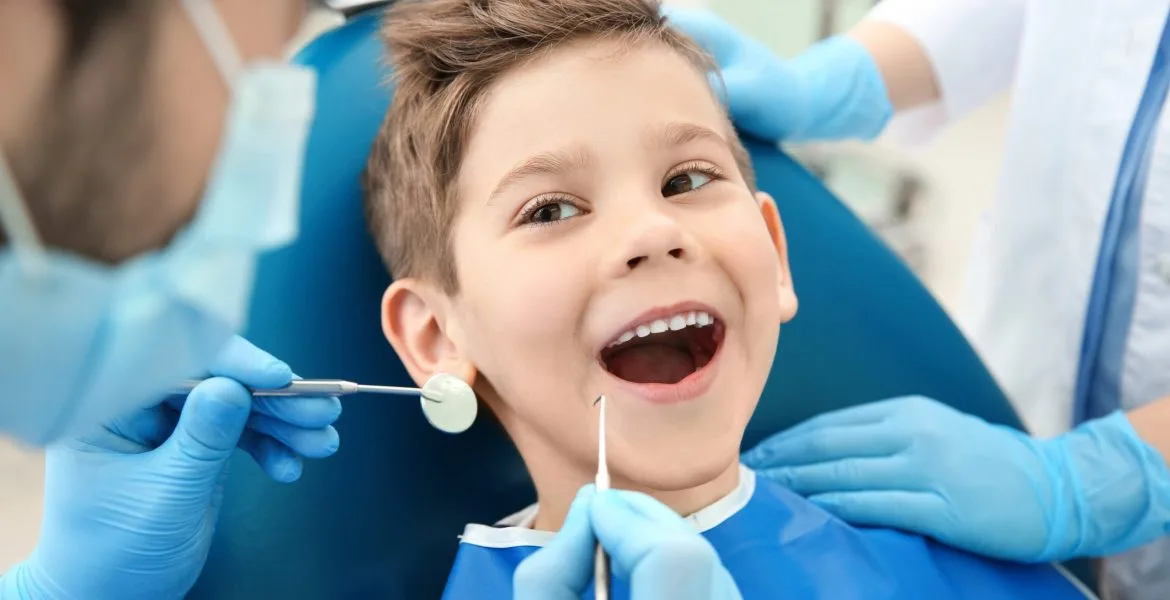
What usually happens
Broadly: letting the child settle into the surroundings, examining the mouth, assessing dental development, and talking through daily care with the parent.
If a treatment need is identified, its scope and the child's engagement are considered together when planning.
How to prepare
- Avoid phrases that introduce an idea the child had not considered — "it won't hurt" and "don't be scared" can do exactly that.
- Describe the visit as an ordinary check.
- Choose a time when the child is rested.
- Try not to project your own anxiety; children pick it up quickly.
Why primary teeth matter
Primary teeth serve chewing function and hold space for the permanent teeth to erupt. "They will fall out anyway" is therefore not a sound approach — their condition is assessed and monitored.
Care at home
Daily oral care at home complements what happens in the clinic. Your clinician will share methods and dietary advice appropriate to the child's age.
In Kyrenia and Alsancak
At Prime Dent, paediatric assessments are planned with the child's comfort in mind. You can request an appointment.
This content is for general information. A diagnosis and treatment plan appropriate to you can only be determined following a clinical assessment by a dentist.