Why Do Gums Recede, and When Should They Be Assessed?
Factors that can contribute to receding gums, and the findings that warrant a clinical assessment.
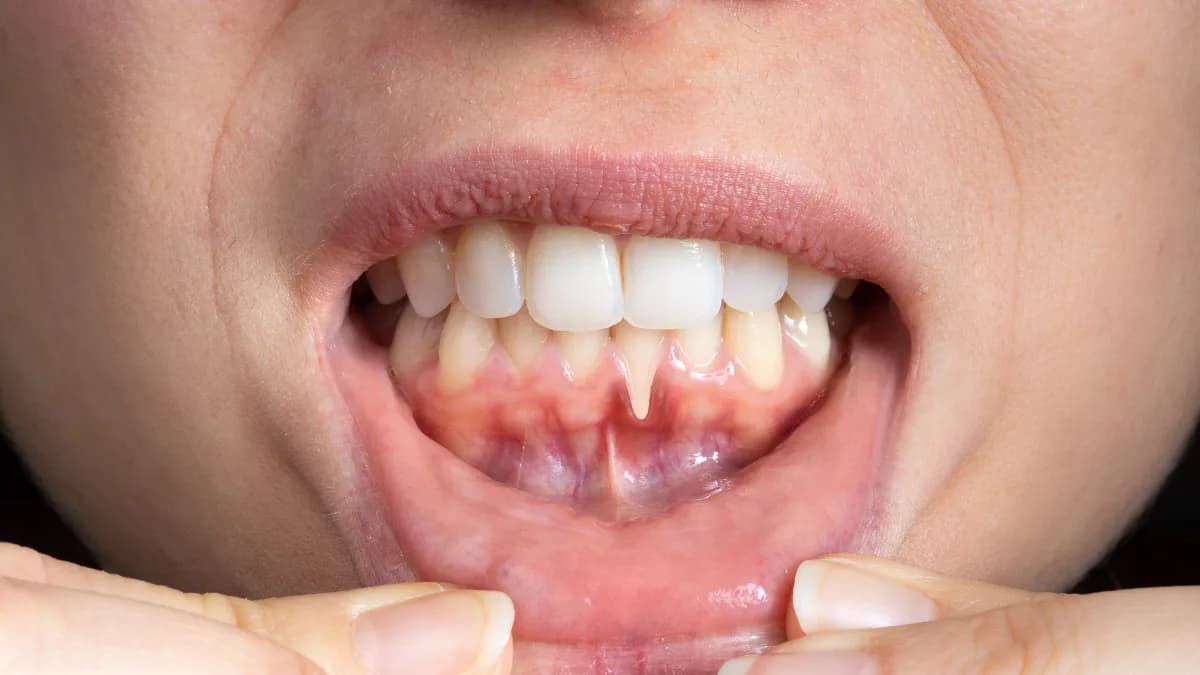
Gums that appear to have receded are something patients often notice but frequently delay acting on. It can read as a cosmetic matter, but the gums are part of the tissue supporting the teeth — which is why assessment matters.
Contributing factors
- conditions affecting the gum tissues,
- brushing technique and brush firmness,
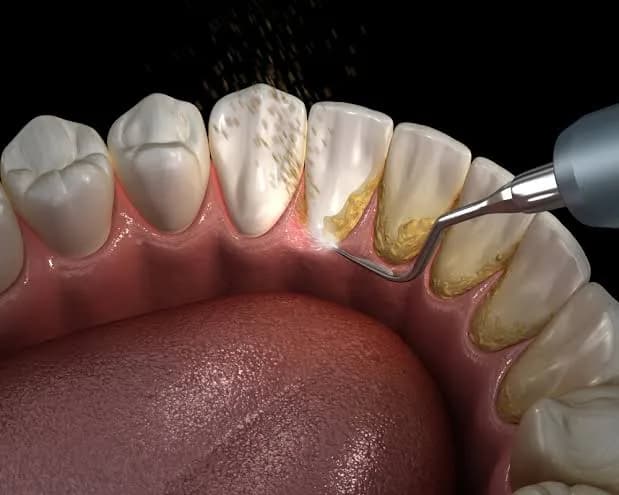
- build-up of hard deposits,
- tooth alignment and the bite relationship,
- clenching or grinding habits,
- individual tissue characteristics.
Which of these applies, and to what degree, can only be determined by clinical examination.
Findings worth assessing
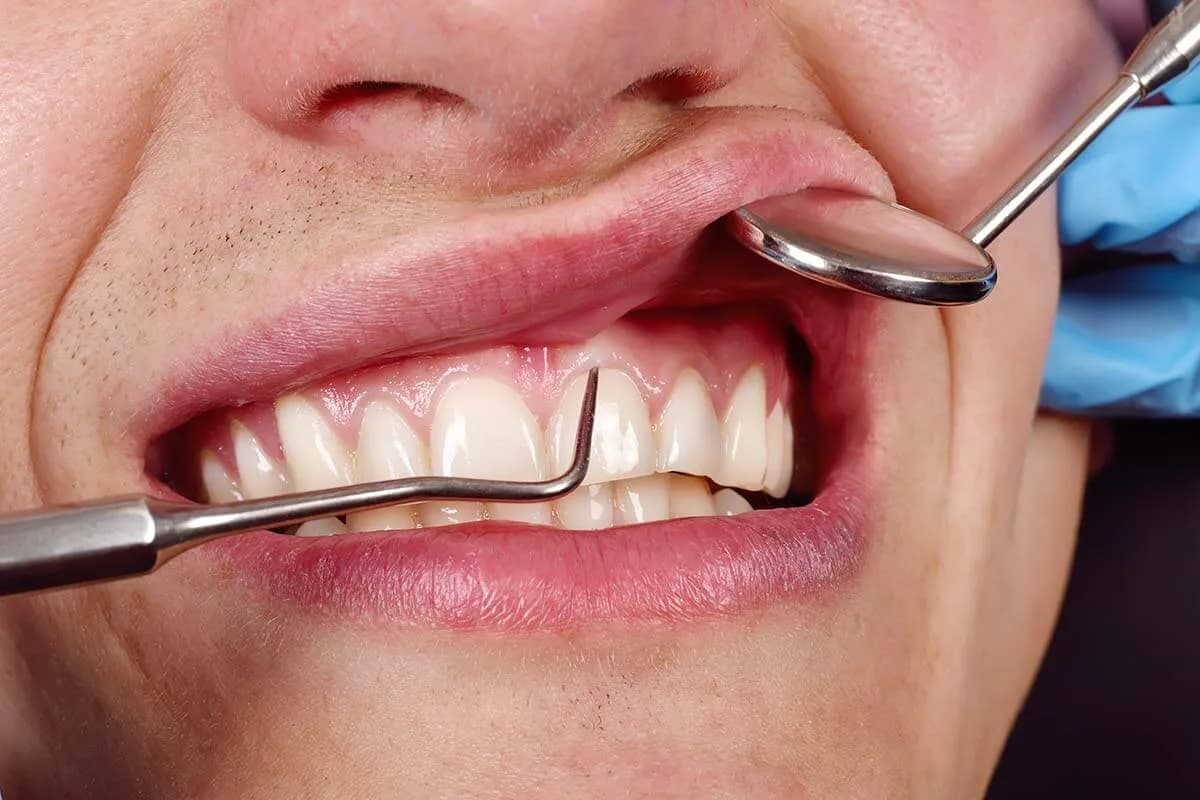
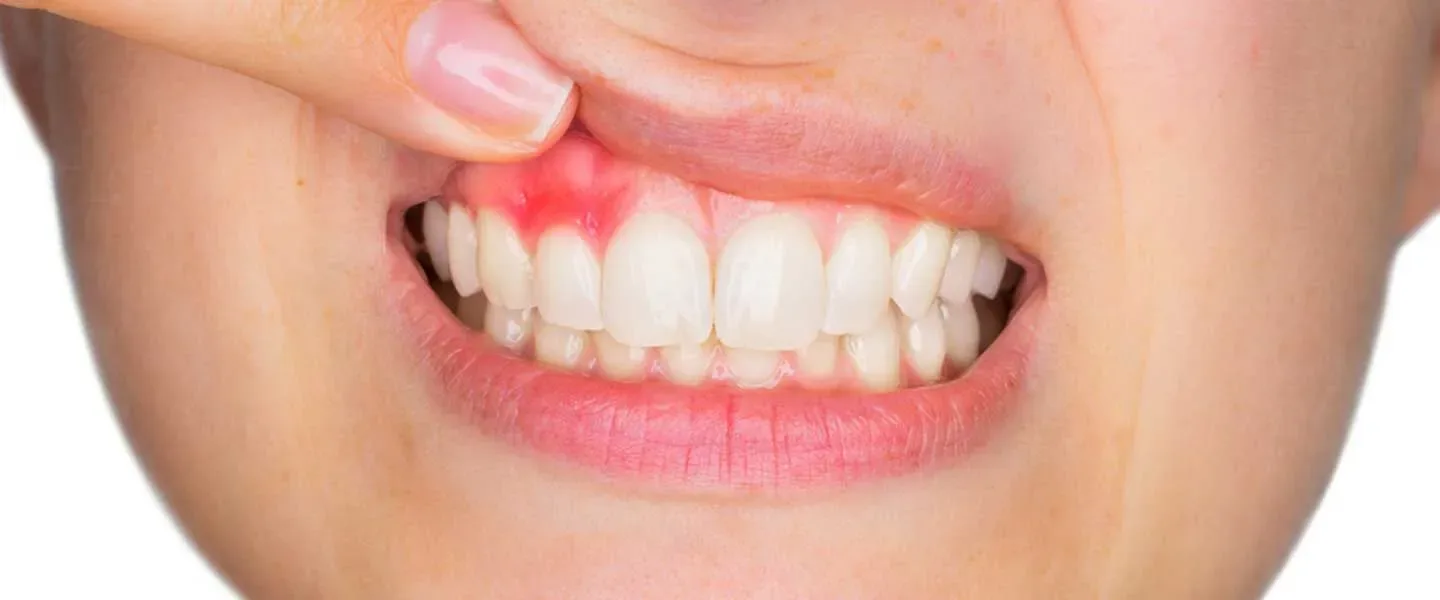
Bleeding, changes in colour or form, teeth beginning to look longer, sensitivity to hot and cold, or a sense that the roots are exposed are all findings that should be assessed. Their presence alone is not a diagnosis.
Why not to delay
Conditions affecting the gums and supporting tissues can progress without noticeable pain. The absence of pain does not mean assessment can wait.
If prosthetic, implant or aesthetic treatment is being considered, the condition of the supporting tissues is a decisive part of that planning.
What assessment involves
The examination looks at the appearance of the gum tissues, any bleeding and the condition of the supporting tissues, with imaging used where indicated.
Early on, cleaning and adjusting care habits come first; where the tissues are more affected, periodontal treatment is considered.
In Kyrenia and Alsancak
At Prime Dent, periodontal assessment forms part of the general dental examination. If you have noticed a change in your gums, you can request an assessment.
This content is for general information. A diagnosis and treatment plan appropriate to you can only be determined following a clinical assessment by a dentist.