What Is Smile Design and How Is It Planned?
How teeth, gums, facial features and individual expectations are assessed together during smile design planning.
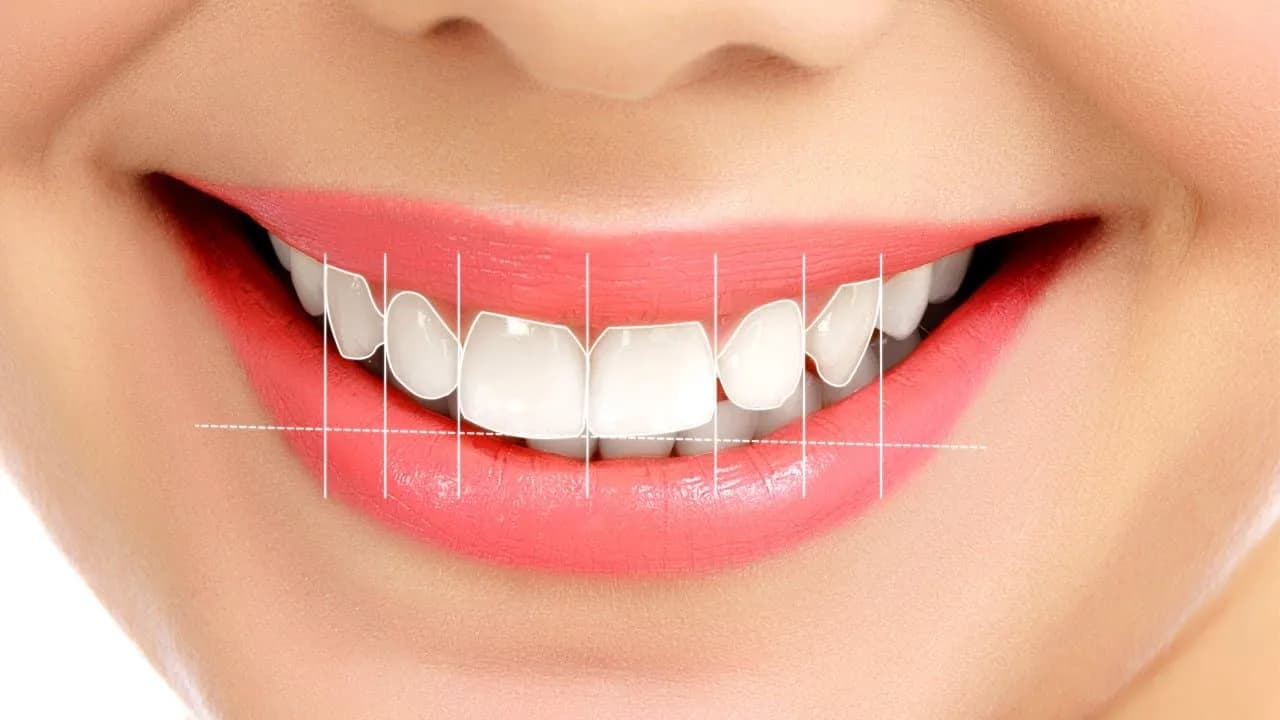
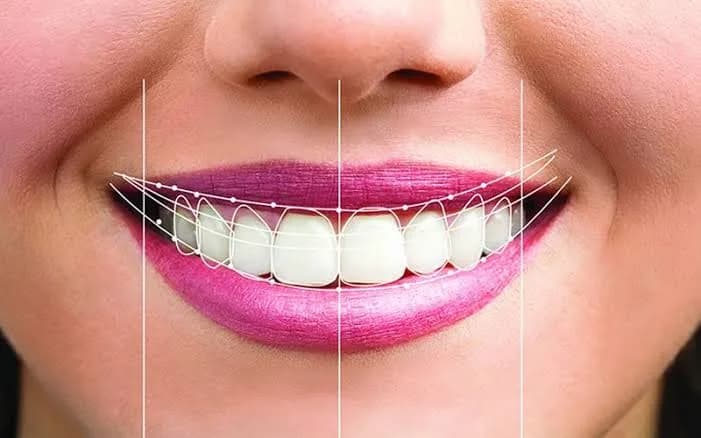
Smile design is not a single procedure aimed at changing the colour or shape of teeth. It is a planning approach in which aesthetic expectations are considered alongside oral health and chewing function.
What is assessed together
- the form, size and proportion of the teeth,
- alignment and the bite relationship,
- tooth colour and surface characteristics,
- the appearance and health of the gums,
- how the smile line relates to facial features.
When these are not considered together, an approach focused only on appearance may not be appropriate functionally.
How the process starts
At the first consultation your expectations are discussed — an important step, because "a better smile" means different things to different people. The existing oral and dental structures are then examined clinically.
Where there is a priority oral health matter, addressing it may come before aesthetic planning.
Is the plan the same for everyone?
No. Dental structure, gum appearance, facial features and personal expectations differ, so planning is individual. An approach used for someone else cannot be assumed to apply to you in the same way.
Aftercare
Once the planned stages are complete, regular reviews and daily oral care remain important. Care recommendations vary by procedure and are explained by your dentist.
This content is for general information. A diagnosis and treatment plan appropriate to you can only be determined following a clinical assessment by a dentist.